
Institutions that once fostered robust debate now either avoid contentious topics or watch discussions descend into defensive posturing. Meanwhile, online platforms amplify the most extreme voices while punishing nuance.
This isn’t simply a matter of disagreement. It’s a breakdown of the infrastructure for disagreement - the shared spaces, norms, and relationships that allow people to argue productively rather than defensively. Without such infrastructure, Jewish communal life fragments into increasingly insular camps, each convinced of its own righteousness and the others’ bad faith.
We’ve lost the capacity to disagree productively.
Drawing on the salon traditions of Rahel Varnhagen’s Berlin, Gertrude Stein’s Paris, and the Algonquin Round Table’s New York, Machshavah convenes diverse thinkers for structured conversations that resist both echo chambers and superficial debate.
The Idea
The problem
Machshavah offers an alternative: structured spaces for unstructured thinking. We create conditions where thoughtful Jews and non-Jews can explore ideas together without predetermined outcomes, where disagreement becomes generative rather than destructive, and where the goal is better questions rather than better talking points.
The timing is critical. There is enormous hunger for spaces that take ideas seriously without requiring ideological uniformity.
The solution
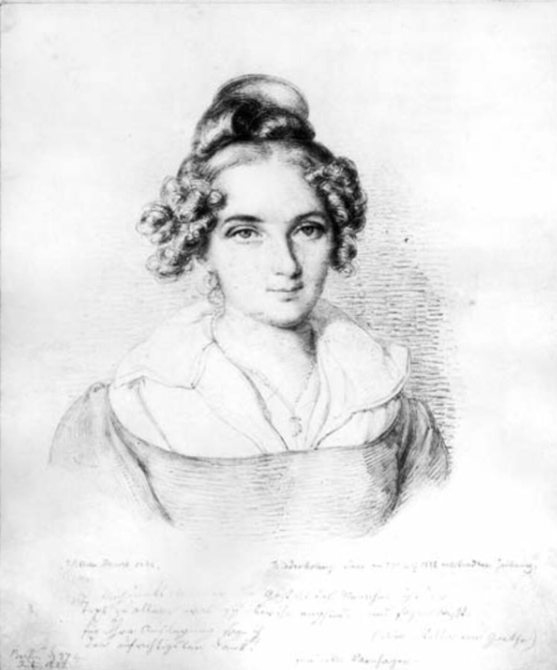
Rahel Levin Varnhagen, July 7, 1822, by William Hensel. Photographed by Jorg P. Anders, in the Kupferstichkabinett, Staatliche Museen zu Berlin
Image Credit: JWA - Jewish Women’s Archive
Structure: tWO-tRACK pROGRAMMING
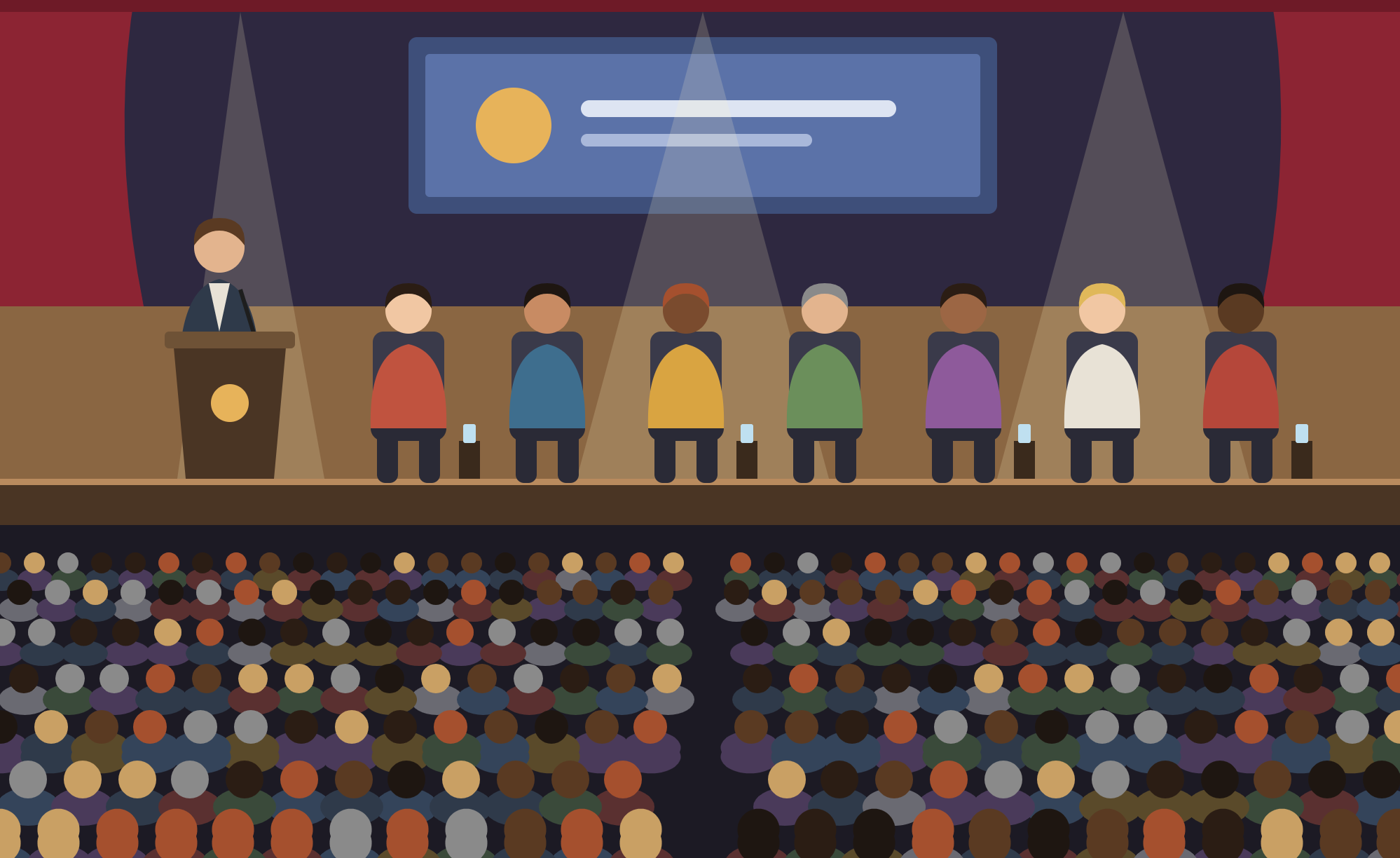
Track 1: Public Convenings
Large-scale events (100-300 people) that introduce urgent questions and model thoughtful disagreement. These establish Machshavah’s public brand, attract diverse audiences, and identify potential salon participants.
Example: Our January 21, 2026 launch at 92nd Street Y featuring Van Jones, Abigail Pogrebin, Mijal Bitton, and Ari’el Stachel on “Bridging the Divide Between Black and Jewish Communities”. This flagship event demonstrates what’s possible when diverse thinkers engage complex questions without predetermined conclusions.
Public Convenings
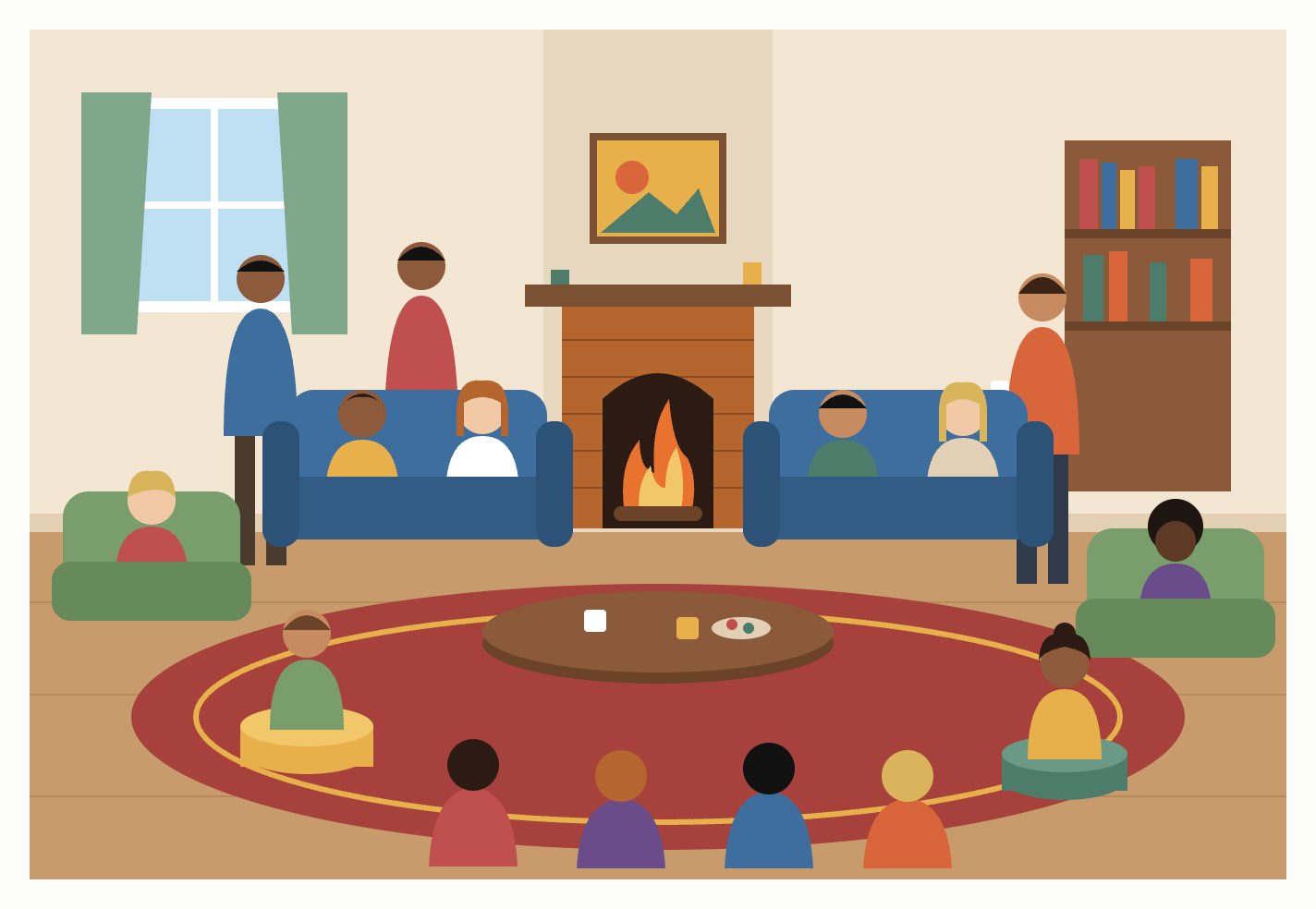
track 2: intimate salons
Invitation-only gatherings (20-30 participants) where pre-selected thinkers engage in sustained dialogue over 3-4 hours in living rooms, brownstones, and artist lofts - never conference rooms.
Intimate Salons
Each salon follows a carefully designed 3-4 hour arc:
Opening (30 minutes)
Light refreshments and informal networking
Welcome and framing by host or guest speaker
Name tags with provocative questions to spark conversation
Structured Dialogue (90 minutes)
Facilitated conversation around central theme or question
Pre-distributed materials and prepared provocations from 2-3 participants
Ground rules emphasizing intellectual generosity and rigorous disagreement
Small group breakouts for more intimate exchange
Break (20 minutes)
Substantial food and wine, relationship building, informal conversation
Open Exploration (60 minutes)
Emergent conversation following threads that arose in structured dialogue
Closing reflections and commitments
Salon Structure
Participant Selection
Each salon intentionally mixes:
60% established voices (scholars, journalists, rabbis, artists, activists, communal leaders)
40% emerging thinkers (graduate students, early-career professionals, cultural producers)
Diverse across: religious observance, political orientation, professional discipline, age, geography
Priority to first-time attendees
Non-Jewish participants when topics require cross-community dialogue
Historical Context: The Salon Tradition
Machshavah stands in a centuries-old tradition of Jewish salons that have served as engines of cultural innovation and intellectual advancement. Throughout history, salons have emerged in moments of upheaval - when Jews needed spaces to think together about who they were becoming.
18th-19th Century European Salons
The salon tradition flourished with figures like Rahel Varnhagen in Berlin (1790’s-1820’s), whose gatherings brought together Jewish intellectuals, German writers, and European nobility. These salons, often run by Jewish women, became central to European cultural and political life. Fanny Hensel’s musical salon showcased both Jewish and non-Jewish composers, helping integrate Jewish thinkers into broader intellectual movements while maintaining distinct Jewish perspectives. These were spaces where difficult questions about identity, belonging, and tradition could be explored honestly across ideological divides.
The Haskalah (Jewish Enlightenment)
Salons became vital spaces for the Haskalah movement, where maskilim (enlightened Jews) debated how to balance Jewish tradition with modern secular knowledge. Writers like Heinrich Heine and Ludwig Borne participated in salons that shaped modern Jewish literature and philosophy. These weren’t echo chambers - they were contested spaces where participants wrestled with fundamental questions about the future of Jewish life.
Early 20th Century Modernism
In Vienna, Prague, and New York, Jewish salons played pivotal roles in fostering modernist movements. Berta Zuckerkandl’s Vienna salon influenced modern art and architecture while navigating rising antisemitism and political tensions. In New York, gatherings at venues like the Algonquin Round Table brought together Jewish immigrant intellectuals with American avant-garde thinkers, creating new forms of cultural expression that bridged traditional and modern worlds.
Post-Holocaust Era
In New York and later Israel, salons became spaces for processing trauma, rebuilding Jewish intellectual life, and developing new forms of Jewish expression. Writers like Isaac Bashevis Singer participated in gatherings that helped revitalize Yiddish literature while creating new American Hewish voices. These salons addressed existential questions about Jewish survival and meaning after the Shoah.
Contemporary Relevance
Throughout these eras, salons served as laboratories for Jewish thought, helping navigate tensions between tradition and modernity, particularity and universality, solidarity and disagreement. They were spaces where Jews could argue productively, challenge each other honestly, and emerge with deeper questions rather than settled answers. Machshavah continues this legacy, now addressing questions of Jewish identity in increasingly polarized contexts, the relationship between Israel and diaspora communities, and how Jews engage with pressing social and political questions of our time.
Why Now?
The timing is urgent for specific, measurable reasons:
October 7th's Aftermath: The attacks and ensuing war exposed fractures in American Jewish life that were already present but no longer containable. Different understandings of Israel's meaning, different approaches to solidarity and self-interest, different visions of Jewish authenticity—the discourse infrastructure we inherited cannot hold these tensions productively.
Campus Conflicts: Fall 2024 saw unprecedented campus tensions around Israel-Palestine, with Jewish students reporting feeling unsafe while also disagreeing among themselves about how to respond. This generation needs better models for engaging across difference.
Generational Divides: Younger Jews are increasingly alienated from traditional communal spaces that feel performative or intellectually stifling, yet polling shows enormous hunger for spaces that take ideas seriously without requiring ideological uniformity.
Rising Antisemitism + Strategic Questions: Antisemitic incidents have increased dramatically, yet Jews disagree profoundly about causes, appropriate responses, and how to think about antisemitism in relation to other forms of hatred. These are not conversations that can be avoided—they require infrastructure.
2024 Election Aftermath: The presidential election revealed deep political divisions within American Jewish communities about Israel policy, domestic priorities, and Jewish political identity. These divisions aren't going away.
Institutional Paralysis: Major Jewish institutions recognize the discourse problem but struggle to address it within existing structures and stakeholder pressures. They need spaces that can model what they cannot risk themselves.
The question isn't whether American Jews need better discourse infrastructure. The question is whether we'll build it deliberately or watch the community fragment further. 2026 is the year to act.

What Makes Machshavah Different?
Not a Lecture Series
Participants are co-creators of the conversation, not passive audiences receiving expert knowledge
Not a Panel
Deep dialogue replaces performative debate or polished presentations. The goal is thinking together, not winning arguments.
Not a Conference
Intimate scale and consistent community over time, rather than large one-off events. Relationships deepen across multiple gatherings.
Not a Classroom
Peer-to-peer learning among practitioners, not expert-to-student transmission. Everyone brings expertise; everyone learns.
Intentionally Diverse
We intentionally convene people who disagree - but who share a commitment to intellectual honesty and generous engagement.
The Founder
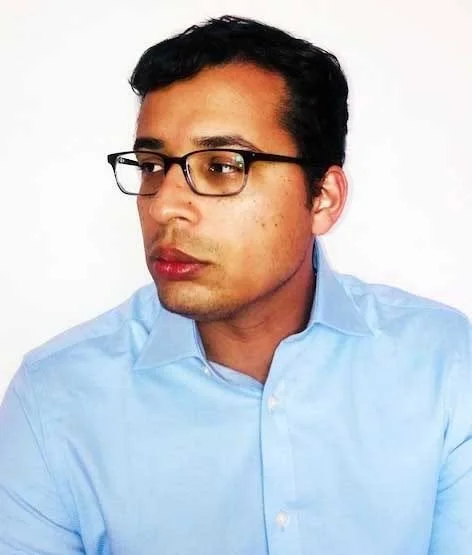
Shamar Hill is the founder of Machshavah, a Jewish intellectual salon that revives the historic tradition of the salon as a space for rigorous, generous conversation about the most pressing questions in Jewish life. Machshavah launched in January 2026 with a sold-out evening at 92NY featuring Van Jones, Abigail Pogrebin, Dr. Mijal Bitton, and Ari'el Stachel, drawing 300 in-person guests and more than 1,000 viewers online.
A poet and memoirist, Shamar is a Cave Canem and New York Foundation for the Arts fellow who trained under E.L. Doctorow. His poetry has appeared in American Poetry Review, The Missouri Review, Poetry Northwest, and Washington Square Review, and his essays have appeared in The Jerusalem Post. He has taught creative writing at NYU, The New School, and Hunter College, as well as to incarcerated youth.
Shamar brings more than twenty years of nonprofit leadership to Machshavah and has personally raised more than $200 million for cultural and social service organizations. He serves as Board President of The Fostering Connection. He lives with his wife and children in New Jersey.